
ISSUES
“BEST IN CLASS” Schools
Every child deserves a future filled with opportunity. By ensuring strong literacy and math skills and exposing students early to real career paths, we can increase engagement and show students how they can build successful, meaningful lives in their communities.
Literacy:
Too many students are being left behind in Madison schools. In 2024, fewer than 10% of Black graduates in Madison demonstrated reading and math proficiency, a pattern that has persisted for a decade. Students with disabilities face similar outcomes. This is unacceptable.
My focus is simple and urgent: every student should graduate reading and doing math at grade level. I will partner with proven community programs to support our teachers, like Goodman Center’s S.T.A.R.T. literacy tutoring, and bring holistic, evidence‑based literacy frameworks used successfully in districts like Steubenville, OH to scale across our district.
apprenticeships:
As a graduate of Dane County’s Youth Apprenticeship program, I know that not every child wants to or can afford to attend a 2 or 4-year college. These students should be afforded the opportunity to explore other career paths and so I will expand apprenticeships by partnering with local trade unions. I propose that we begin these discussions in 6th grade, so that children and their families can begin exploring the various career opportunities and then start planning for their high school courses that align with apprenticeships.
exceptional educators:
Finally, becoming a true destination district means investing in our educators. That means fixing salary compression for veteran teachers with long-term, equitable solutions, maintaining competitive pay and benefits. To decrease the burden on teachers, I would expand mental health supports for students that includes a mental health professional in every school and advocate for a more effective Behavioral Education Plan that meets today’s realities.
Responsible Budgeting
Increase State Aid:
I will push for state legislators to fix the state’s school funding formula (including support for LRB-6488) that hasn’t adequately funded our schools in decades. This deficit makes Madison’s homeowners and renters pick up the tab for our schools with high property taxes and referendums. With an increase in state aid and school levy tax credits in the school funding formula, our district could afford to fix the salary compression issues we are currently facing, invest in additional mental health supports, and make the necessary building upgrades that keep our kids safe.
Identify inefficiencies:
Fixing the broken school funding formula will take time, so in the meantime, the board needs to take an honest look at spending that does not directly improve student outcomes. This includes reviewing positions and costs within Central Office and school administration or outdated Chromebook software subscriptions. Tough choices are unavoidable, but I have the courage to do what needs to be done for the benefit of our students and taxpayers.
Transparency:
I will ensure that financial decisions by the board are made out in the open, clear to understand and adhere to the values stated in the Excellence Together strategic framework. My analytical experience can help the board to establish clear metrics for success, so that we can regularly measure and identify where the gaps are and where changes and investments are needed. We will need to prove to our community that their investments are paying off in the form of student achievement and safety before we ask for any more of their hard-earned money.
Technology Usage
AI:
I plan to work alongside instructional technology staff to author the first AI policy for the district that outlines responsible AI usage (including critical analysis of search results), defines AI plagiarism and discipline, while working with educators to create comprehensive curriculum that incorporates AI tools. Our students deserve to know how to use AI as a tool to enhance their critical thinking and imagination, and our curricula should reflect the reality of ChatGPT and Gemini availability to our students. My previous company was on the cutting edge of AI adoption, and I have seen up close how AI can be used to build and compute things beyond our wildest imaginations. I have also seen how AI can be used to steal and copy the work that experts spent their lives to create. Together, we will prepare our children for the AI-enabled future by equipping them with the critical thinking skills Madison’s teachers have always fostered.
Tablets:
I will propose a review of Chromebook/iPad apps that may no longer meet our kids’ needs and where financial resources could be better spent. Chromebook and iPad use in the classroom has increased since 2020, and our test scores should match the increased investment, but they don’t. One solution to address issues of increased operating expenses and low test scores in Math and Reading would include a review of how we use Chromebooks and iPads in the classroom. This review would identify where further personal instruction is required or where additional digital materials/programs could benefit the students. I will also look forward to working with the Assistant Superintendent of Teaching and Learning to identify areas where we can focus teacher and technology resources to raise scores that match our 2027 goals.
Mobile Phones:
I support a “bell-to-bell” ban on mobile phones during the school day. It is beyond time to have a consistent policy addressing mobile phone usage during school hours. It is disruptive to the classroom and distracts from actual learning. While it is important for students to have access to communicate with their parents in rare situations, we need to balance that need with classroom engagement and knowledge retention. The bell-to-bell policy will also make exceptions for medical and adaptive needs for students.
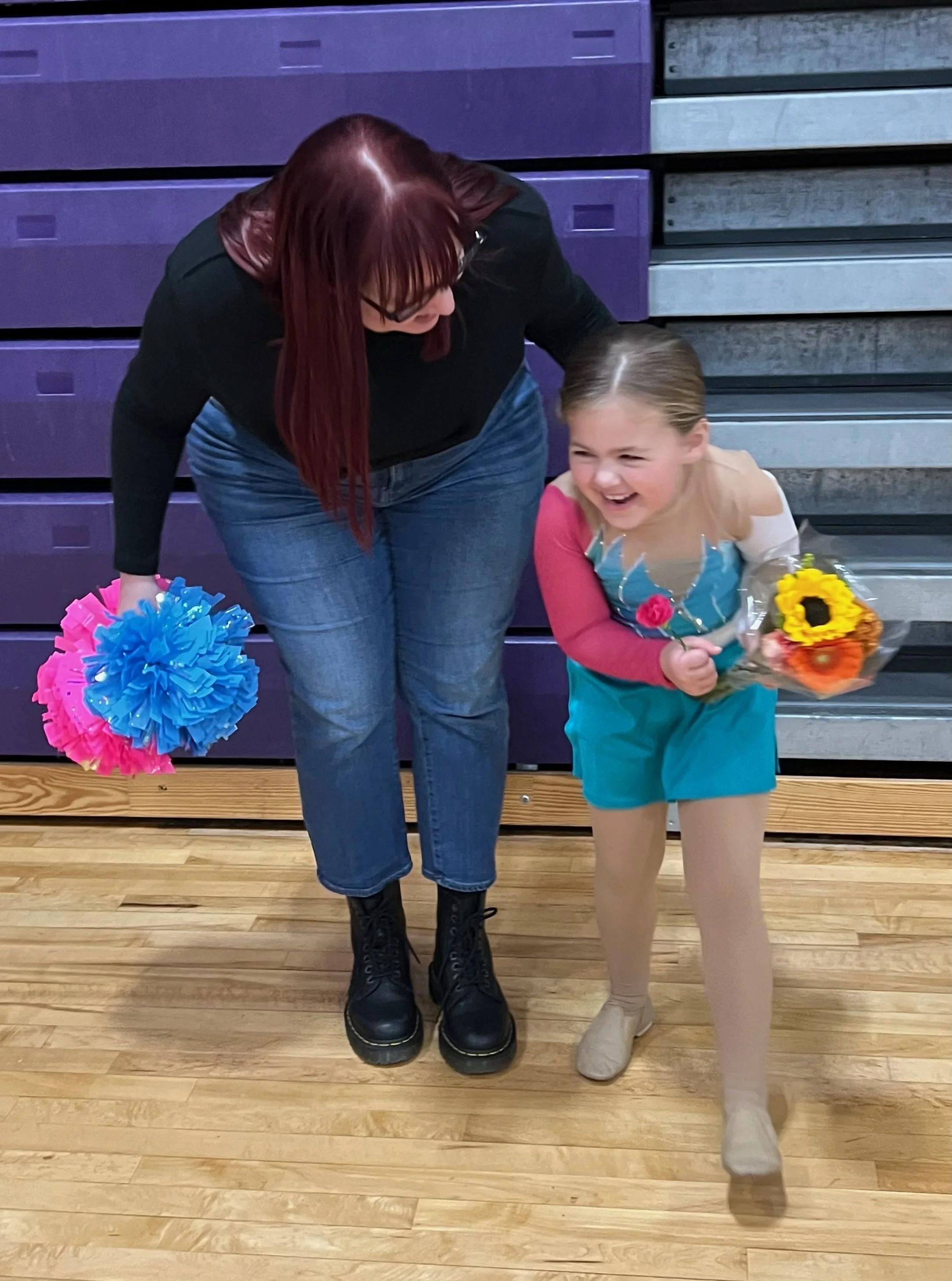
“Aunt Dana” wants to make school a happy & safe place for kids like her niece (pictured above)